 Skip to content
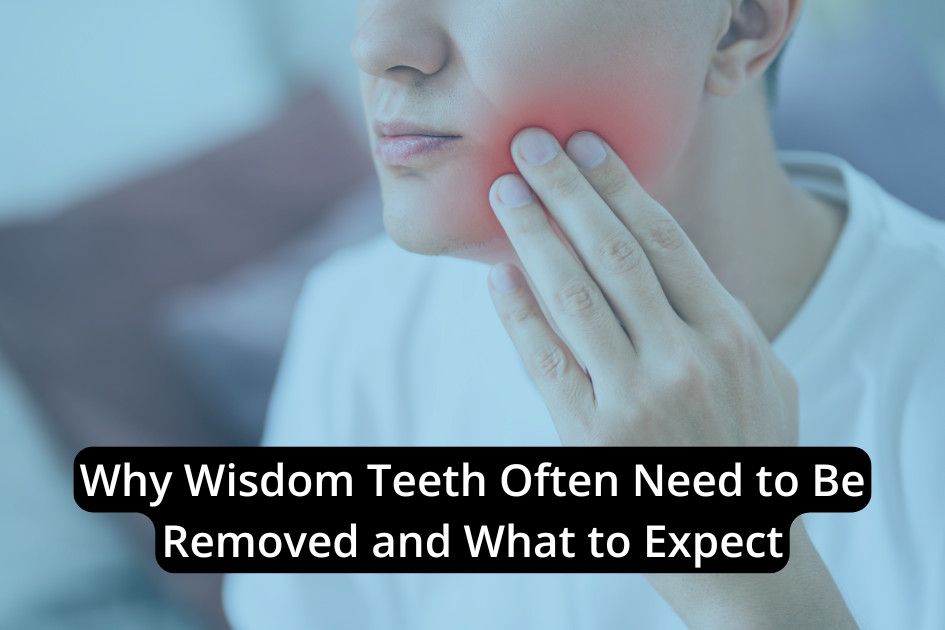
Wisdom teeth emerge late and often lack space, which raises risks of impaction, infection, crowding, and damage to adjacent teeth. We assess position and root anatomy with clinical exams and imaging, then plan timing and anesthesia based on risk. Recovery typically involves controlled swelling, a soft diet, and targeted hygiene to prevent complications. We’ll show when removal is truly indicated, how we minimize pain and risks, and what outcomes you can expect, starting with how these molars become problematic.
What Wisdom Teeth Are and When They Erupt
Third molars, commonly called wisdom teeth, are the last permanent teeth to develop, typically erupting between ages 17 and 25. We monitor their formation on panoramic or CBCT imaging to assess position, angulation, and proximity to essential structures like the inferior alveolar nerve and maxillary sinus. Anatomically, they occupy the distal ends of the arches, numbers 1, 16, 17, and 32, often with variable root morphology. Eruption timing varies by genetics, growth patterns, and space availability. Some remain fully impacted, some partially erupt, and others emerge in functional occlusion. We evaluate eruption trajectories periodically to guide individualized, evidence-based recommendations.
Common Reasons These Molars Cause Problems
Because they erupt last and often into a limited space, wisdom teeth frequently cause pathology. We see impaction against the second molar, creating food traps and caries. Partially erupted teeth form a gingival flap (operculum) that harbors bacteria, leading to pericoronitis. Angulation and crowding complicate hygiene, accelerating periodontal breakdown on adjacent teeth. Follicular tissue can develop cysts or, rarely, tumors, resorbing roots and bone. Proximity to the inferior alveolar nerve and sinus increases surgical risk when roots are dilacerated or fused. Thin posterior jawbone and limited access heighten fracture and infection risks, particularly with recurrent inflammation or nonrestorable decay.
Signs You May Need an Evaluation
Given how often wisdom teeth create hidden pathology, we watch for specific red flags that warrant an exam. Persistent tenderness behind the last molars, swollen or bleeding gums, foul taste or odor, jaw stiffness, or pain when chewing suggest inflammation or infection. Recurrent cheek biting, food trapping, or gum tissue “flaps” indicate partial eruption and bacterial risk. Crowding pressure, new spacing, or bite changes can signal impaction. Headaches or ear pain without another cause may reflect referred discomfort. Facial swelling, difficulty opening fully, or fever requires prompt attention. Even without symptoms, a history of pericoronitis or cysts justifies timely evaluation.
How Dentists Assess Wisdom Teeth
Before we recommend removal, we perform a structured evaluation that maps risk and complexity. We begin with a focused history: pain, swelling, infection episodes, hygiene challenges, and systemic risks. Clinically, we assess eruption path, pocketing, caries, mobility, and adjacent tooth integrity. Radiographically, we use panoramic imaging or CBCT to analyze root morphology, angulation, follicle size, bone density, and proximity to the inferior alveolar and lingual nerves, maxillary sinus, and cortical plates. We grade impaction depth and available space. We then classify surgical difficulty and infection risk, discuss benefits and alternatives, and align the plan with your health priorities and functional goals.
Timing: Best Age and Stages for Removal
With the risk and complexity mapped, we determine when removal offers the safest and most predictable outcome. Evidence supports intervention between ages 16–22, when roots are two‑thirds formed, and bone is more forgiving. Earlier removal typically shortens surgery time, reduces complications, and speeds recovery.
We time surgery by development, not birthdays. On radiographs, ideal windows appear when:
- Root tips are open (incomplete apices)
- Follicular space enlarges
- Angulation trends toward impaction
- Space deficiency persists
- Pathology emerges (cysts, caries, resorption)
We delay when roots approximate the inferior alveolar nerve, systemic health is unstable, or orthodontic movement alters risk–benefit. Regular monitoring guides the decision.
What Happens During the Procedure
Although every case varies, we follow a standardized, stepwise protocol. We confirm diagnosis with clinical exam and imaging, review your medical history, and prepare the surgical field with sterile technique. We reflect the gum tissue, remove minimal bone as needed, and section the tooth when indicated to preserve surrounding structures. We elevate and extract with controlled forces, continuously irrigating to protect bone and soft tissue. We debride the socket, verify nerve and sinus integrity, and smooth sharp edges. We place hemostatic measures, then suture for stability. We provide clear post-operative instructions and schedule follow-up to monitor healing and detect complications early.
Anesthesia and Pain Management Options
Because comfort and safety drive our surgical plan, we tailor anesthesia and pain control to your health status, anxiety level, and procedure complexity. For simple extractions, we often use local anesthesia with targeted nerve blocks. If you prefer deeper relaxation, we add nitrous oxide or oral sedation. For impacted teeth or high anxiety, we recommend IV sedation or, rarely, general anesthesia, monitored by trained personnel with continuous measurements.
Postoperative analgesia is multimodal: scheduled acetaminophen plus ibuprofen reduces opioid need. When indicated, we prescribe a brief opioid course. We also use long‑acting local anesthetics to extend numbness and blunt early inflammatory pain.
Recovery Timeline and Self-Care Tips
Healing follows a predictable course, and we’ll guide you through each phase so you know what’s normal and what requires a call. First 24 hours: expect swelling, oozing, and mild bleeding; maintain firm gauze pressure, ice intermittently, and rest with head elevated. Days 2–3: swelling peaks, bruising may appear; shift from ice to gentle heat, continue prescribed analgesics, and resume light activity. Days 4–7: discomfort declines; begin warm saltwater rinses after meals, brush gently, and avoid the extraction sites.
Self-care priorities: hydrate, favor soft protein-rich foods, avoid straws and smoking, limit strenuous exercise, keep sockets clean, and follow your medication schedule.
Potential Risks and How They’re Minimized

Even routine wisdom tooth removal carries defined risks, and we address each with proven protocols. We explain them clearly and act to prevent them. Infection risk is reduced with sterile technique, atraumatic handling, and targeted postoperative instructions. Dry socket is minimized by gentle extraction, socket irrigation, medicated dressings when indicated, and strict guidance to avoid smoking and suction. Nerve injury risk is mitigated with CBCT imaging, coronectomy when appropriate, and microsurgical technique. Bleeding is controlled with hemostatic agents and precise suturing. Swelling and pain are limited by cold therapy, anti-inflammatories, and dosing plans. We monitor healing and intervene early if needed.
Long-Term Benefits of Early Removal
When we remove wisdom teeth before they cause pathology, patients gain measurable, long-term advantages. Early extraction lowers the lifetime risk of pericoronitis, cysts, and root resorption of adjacent molars. We preserve bone volume, protect second-molar periodontal health, and reduce caries in distal surfaces where hygiene is difficult.
We also shorten recovery times: younger bone remodels predictably, with fewer complications and less postoperative morbidity. Orthodontic stability benefits, too; we remove posterior crowding forces that can undermine aligner or retainer outcomes. Long-term, patients experience fewer emergency visits, less need for complex grafting, and lower overall costs, while maintaining healthier, easier-to-clean arches.
Conclusion
We’ve seen how wisdom teeth erupt, why they cause problems, and how we evaluate, time, and treat them with evidence-based precision. Using imaging-guided planning, controlled anesthesia, and detailed postoperative instructions, we reduce complications and support a smooth recovery. When patients follow self-care guidance like eating a soft diet, maintaining hygiene, and managing swelling, the process becomes far more manageable. But here is what really shapes your outcome: will you act early to prevent impaction and infection, or wait until pain forces your hand? The best results come from proactive planning, not an urgent response.
Book your wisdom teeth evaluation today with Cedar Park Premier Dentistry in Cedar Park, TX, and take the first step toward a healthier, worry-free smile.